

Yes. There is.
And if you or someone you love is managing Parkinson’s disease, understanding that connection may be one of the most useful things you can do.
People diagnosed with Parkinson’s, caregivers, and patients doing their own research are increasingly asking about the gut. About probiotics. About diet. About what else they can do alongside their conventional treatment. Those are smart questions, and the research is finally catching up with them.
Here is what we know.
What Is the Link Between Parkinson’s and Gut Health?
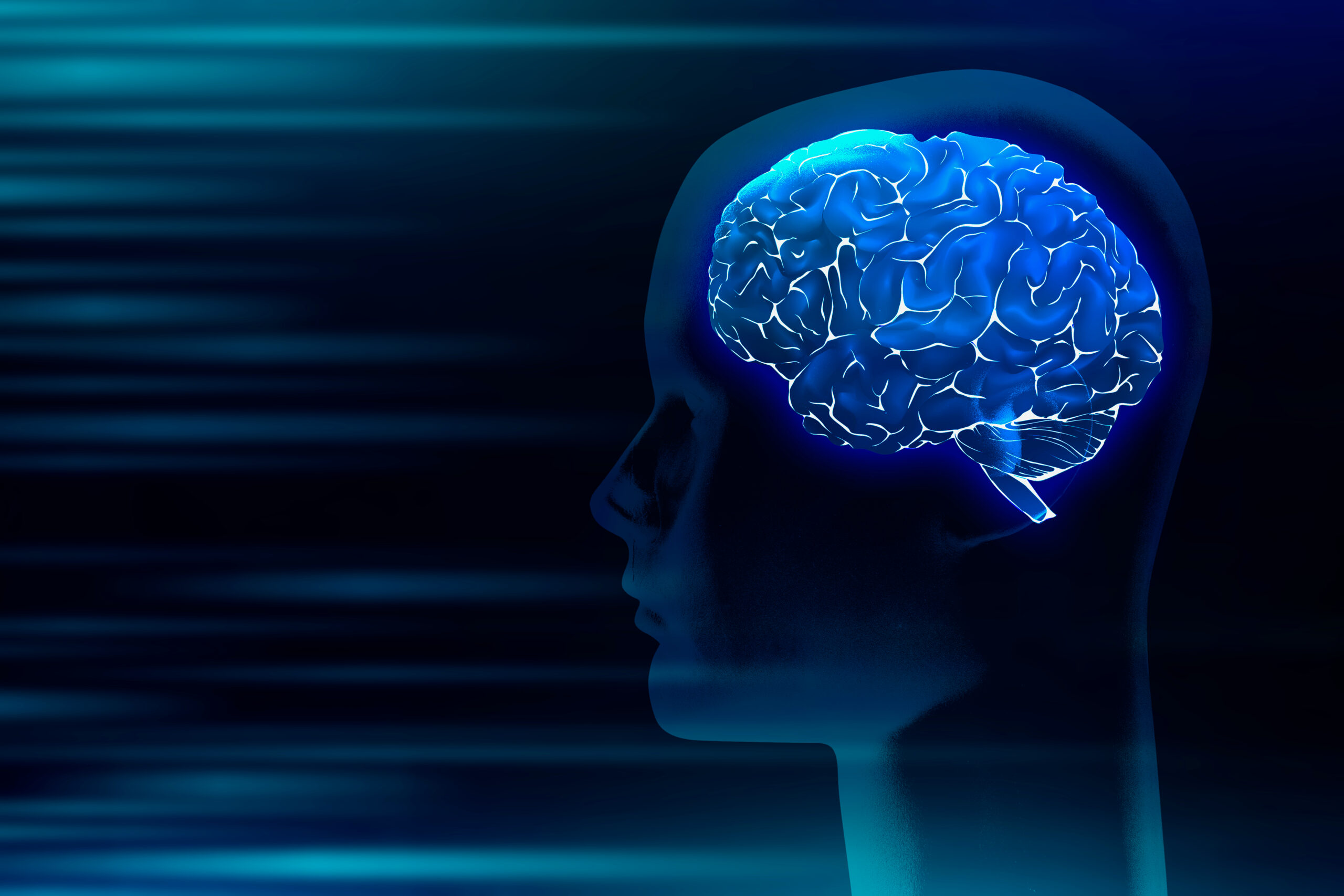
Parkinson’s disease is caused by the progressive loss of dopamine-producing neurons in the brain. But researchers have found that the story does not begin, or end, in the brain.
People with Parkinson’s show consistent, measurable changes in the gut microbiome, the community of bacteria, fungi, and microorganisms living in the digestive tract. Specifically:
- Reduced levels of bacteria that produce short-chain fatty acids (SCFAs), compounds that protect the gut lining and have neuroprotective effects
- Elevated intestinal permeability, sometimes called leaky gut, which triggers systemic inflammation
- Higher rates of gastrointestinal symptoms including constipation, delayed gastric emptying, nausea, and bloating
- Presence of alpha-synuclein, the protein that misfolds in Parkinson’s, in gut tissue
A 2025 study published in npj Parkinson’s Disease compared gut microbiomes across people with Parkinson’s, people with inflammatory bowel disease (IBD), and healthy individuals. It was the first study to directly compare all three groups. Researchers found previously unknown overlap between the Parkinson’s and IBD groups, with both showing the same pattern of SCFA-producing bacteria depletion, specifically Roseburia intestinalis, Faecalibacterium prausnitzii, and related species.
The researchers proposed that this gut dysbiosis in IBD patients may increase susceptibility to Parkinson’s over time.
In other words, gut imbalance may not just be a symptom of Parkinson’s. It may be part of the pathway.
Researchers have also proposed that alpha-synuclein pathology may begin in the gut and travel to the brain via the vagus nerve, a major nerve running from the brainstem directly into the digestive tract. If that holds up, the gut is not just a casualty of Parkinson’s. It may be a point of origin.
GI symptoms like constipation frequently appear 10 to 20 years before any motor symptoms do. That positions gut health as both a potential early warning system and an early intervention opportunity.
How Gut Problems Affect Parkinson’s Symptoms Day to Day
The gut-brain connection in Parkinson’s has very practical consequences.
When gut motility slows, which is common in PD, medications like carbidopa/levodopa become less predictable. Absorption timing shifts. Patients feel like their medication is inconsistent or wearing off too fast. This is often a gut problem, not a medication problem.
Constipation, gastroparesis, bloating, and nausea can also significantly reduce quality of life and make managing the disease harder overall. These are not just side issues. They are central to the day-to-day experience of living with Parkinson’s.
Addressing gut health is not separate from managing Parkinson’s. For many people, it is part of it.

Image by Unspash
Which Dietary Changes Help with Gut Symptoms in Parkinson’s?
Diet is the most direct lever most people have for supporting the gut microbiome, and the evidence here is reasonably strong.
A fiber-rich, Mediterranean-style diet is the most consistently supported approach.
When gut bacteria ferment fiber, they produce short-chain fatty acids including butyrate, which nourish the gut lining, reduce inflammation, and may support brain function. A Mediterranean-style diet has been associated with greater microbial diversity, reduced Parkinson’s risk, and better cognitive outcomes over time.
Practical starting points:
- Aim for at least 28 grams of fiber daily (most Americans get about half that)
- Fill half your plate with vegetables and fruit at every meal
- Include prebiotic-rich foods: garlic, onions, bananas, artichokes, legumes, chicory
- Choose healthy fats: extra virgin olive oil, nuts, seeds, avocado
- Stay well hydrated, especially when increasing fiber
- Limit ultra-processed foods, which reduce microbial diversity
One important note for people taking carbidopa/levodopa: consuming the medication with a high-protein meal can interfere with absorption. Talk to your neurologist about medication timing and whether a protein-redistribution approach, eating most of your daily protein in the evening, makes sense for you.
Can Probiotics Help with Parkinson’s Disease?
This is one of the most common questions people ask, and the research is more promising than many clinicians currently communicate.
Short answer: certain probiotic strains appear to help, particularly with constipation and inflammation. The evidence is not yet definitive, but it is moving in a meaningful direction.
A 2025 randomized controlled trial published in Movement Disorders (the SymPD study) found that a four-strain probiotic improved gut microbiota composition, reduced systemic inflammation, and, notably, shortened the time it took for levodopa to take effect in people with Parkinson’s experiencing constipation. That medication-timing effect is clinically significant for people whose treatment feels inconsistent.
Other research has shown that strains from the Lactobacillus and Bifidobacterium families have the most consistent evidence for improving constipation in PD. Prebiotics, which are fibers that specifically feed beneficial bacteria, have also shown benefit, especially when combined with probiotics in synbiotic formulas.
What probiotics cannot do, at least not based on current evidence, is replace conventional Parkinson’s treatment or reverse disease progression. But as a support tool alongside standard care, they are worth a serious conversation with your team.
Rather than choosing a probiotic off a shelf, work with a practitioner who can evaluate your specific microbiome needs. Strain selection matters, and the right approach depends on your individual symptoms and current medications.
Are There Gut Health Supplements Specifically for Parkinson’s Patients?
There is no supplement designed exclusively for Parkinson’s gut health, but several categories of support are relevant:
- Probiotics: Lactobacillus and Bifidobacterium strains with clinical evidence for constipation and inflammation in PD
- Prebiotics: fermentable fibers like inulin, FOS (fructooligosaccharides), and resistant starch that feed beneficial bacteria
- Synbiotics: combined probiotic and prebiotic formulas, which the research suggests may outperform probiotics alone
- Magnesium: commonly used for constipation support in PD; discuss dosing and form with your provider
- Butyrate supplements: an SCFA that feeds the gut lining, though getting it from dietary fiber is generally preferable
We do not recommend starting any supplement protocol without guidance from a practitioner familiar with Parkinson’s disease and its medication interactions. Some supplements can affect how PD medications are absorbed or metabolized.
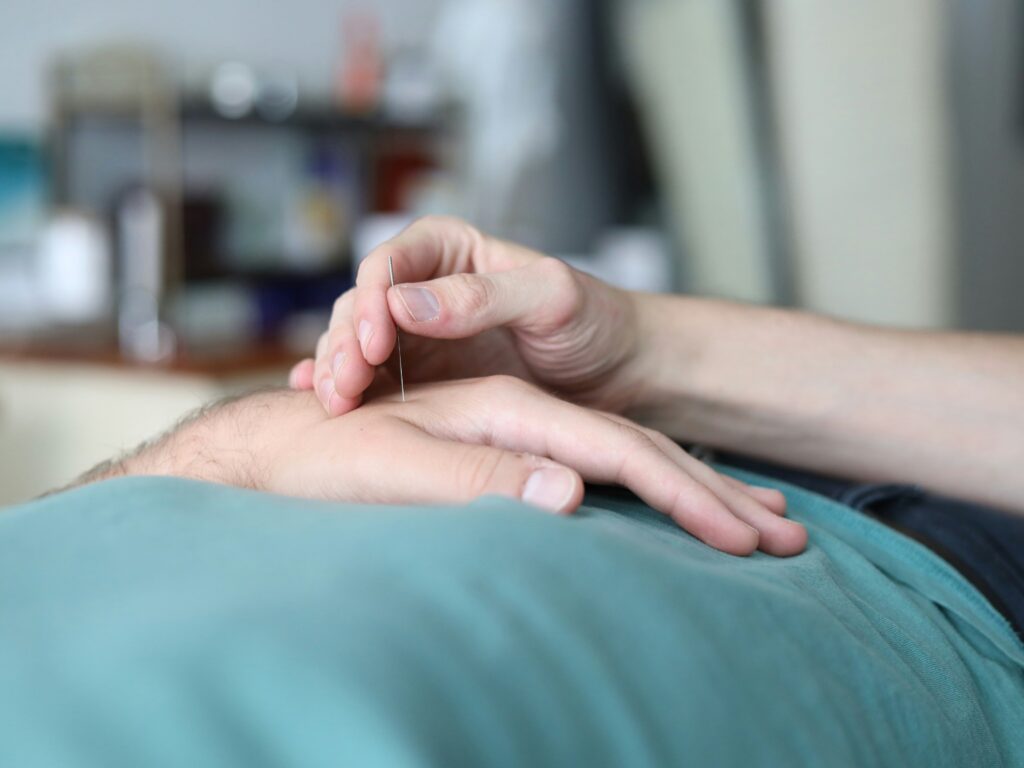
Image by Unspash
How Acupuncture Supports Parkinson’s Treatment
Acupuncture is increasingly recognized as a meaningful complement to conventional Parkinson’s care, and the research supports it.
Multiple systematic reviews and meta-analyses support acupuncture as an adjunct to standard PD treatment. A meta-analysis published in Frontiers in Aging Neuroscience found that acupuncture combined with conventional medication produced a mean UPDRS total score improvement of 7.37 points compared to medication alone, a clinically meaningful reduction in disease severity. A 2024 overview of systematic reviews in Frontiers in Neuroscience further confirmed that acupuncture shows consistent benefits for both motor and non-motor symptoms in Parkinson’s.
Motor symptoms acupuncture may help:
- Tremor reduction
- Improved gait and balance
- Reduced rigidity
- Decreased fatigue
Non-motor symptoms acupuncture may help:
- Constipation and GI motility (directly relevant to gut health and medication absorption)
- Sleep quality
- Depression and mood
- Pain
- Overall quality of life
A 2024 meta-analysis in Clinical Rehabilitation also found that acupuncture improves neuropsychiatric symptoms in PD patients, including sleep quality and psychological well-being.
In the context of gut health specifically, acupuncture has documented effects on GI motility and gut-brain signaling. For Parkinson’s patients whose constipation and gastroparesis are affecting medication effectiveness, acupuncture may offer a non-pharmaceutical way to support gut function and, by extension, improve treatment outcomes.
Acupuncture is not a replacement for levodopa, dopamine agonists, or other conventional Parkinson’s therapies. It works best as an integrative addition to a comprehensive care plan, not as an alternative to it.
What Does a Functional Medicine Approach to Parkinson’s Look Like?
At Austin Transformational Health, we combine functional medicine assessment with acupuncture to address both the neurological and digestive dimensions of Parkinson’s. Every plan is built around what is actually going on in your body, not a generic protocol.
One of the most useful tools in that process is the GI-MAP test, a comprehensive stool analysis that gives us a detailed look at your gut microbiome. For someone managing Parkinson’s, that means we can identify:
- Which beneficial SCFA-producing bacteria are depleted
- Whether pathogenic bacteria or overgrowths are present that could be driving inflammation
- Markers of intestinal permeability (leaky gut)
- Digestive enzyme activity and gut immune function
Rather than guessing at which probiotics or dietary changes are most relevant, the GI-MAP tells us exactly where your microbiome needs support. That matters in Parkinson’s because the same gut dysbiosis pattern does not look identical in every patient, and a targeted approach is more effective than a one-size-fits-all protocol.
We pair GI-MAP findings with functional bloodwork to get a complete picture of inflammation, nutrient status, and metabolic factors that influence how you feel and how well your treatment is working.
Finding Integrative Parkinson’s Care in Austin
If you are in the Austin area and looking for a practitioner who understands both Parkinson’s disease and gut health, we are here.
Dr. Bryn Kanuck is a board-certified acupuncturist with experience in integrative and functional medicine. She works with patients managing neurological conditions alongside conventional care, bringing tools to the table that most clinics are not offering.
You do not have to choose between your neurologist and a broader approach to your health. They can, and should, work together.

