


Half of all infertility cases involve a male factor. Half. And yet the workup for most men ends at a semen analysis, while their partner navigates a significantly more involved diagnostic and treatment process. If the numbers come back low, the standard response is often frustratingly thin: watch and wait, or move straight to assisted reproductive technology. What gets skipped is an honest conversation about why sperm quality declines and what can actually be done about it.
That conversation is what we want to have here.
What a Semen Analysis Actually Measures
A semen analysis evaluates three primary parameters. Concentration refers to how many sperm are present per milliliter of semen. Motility measures the percentage of sperm that are moving, and whether they’re moving forward (progressive motility) or just spinning in place. Morphology assesses sperm shape and structure. Abnormally formed sperm have a harder time fertilizing an egg.
WHO reference ranges: concentration above 16 million per mL, total motility above 42%, and normal morphology above 4% by strict Kruger criteria. But those numbers don’t explain why the parameters are low, which systems are contributing, or whether anything can change.
A number on a page is a snapshot. It tells you where things are, not where they’re headed.
Why Sperm Quality Declines
Sperm quality is downstream of a lot of things, and most of them are addressable. The most common contributing factors include:
Oxidative stress. Free radical damage is the single most well-documented cause of poor sperm quality. Sperm are uniquely vulnerable to reactive oxygen species (ROS). Their membranes contain a high concentration of polyunsaturated fatty acids, and their antioxidant defenses are limited.
Hormonal disruption. The hypothalamic-pituitary-gonadal (HPG) axis regulates testosterone, FSH, and LH, all essential for healthy sperm production. When this axis is disrupted by stress, metabolic dysfunction, or environmental exposures, spermatogenesis suffers.
Heat exposure. Sperm production requires temperatures slightly below core body temperature. That’s why the testes are located outside the body. Prolonged sitting, tight clothing, laptop heat, and hot tub use can all raise scrotal temperature enough to affect motility and count.
Varicocele. Enlarged veins in the scrotum that reduce blood flow and increase local temperature. Present in roughly 40% of men with fertility issues.
Environmental and dietary toxins. Phthalates, BPA, pesticides, and heavy metals accumulate over time and disrupt hormone signaling and sperm DNA integrity.
Chronic stress. Cortisol suppresses testosterone and disrupts the HPG axis. This is not a minor variable; chronic psychological stress has measurable effects on sperm parameters.
In a significant proportion of cases, no single cause is identified. This is classified as idiopathic male infertility. Functional medicine testing is valuable here precisely because it identifies drivers that conventional workups don’t screen for.
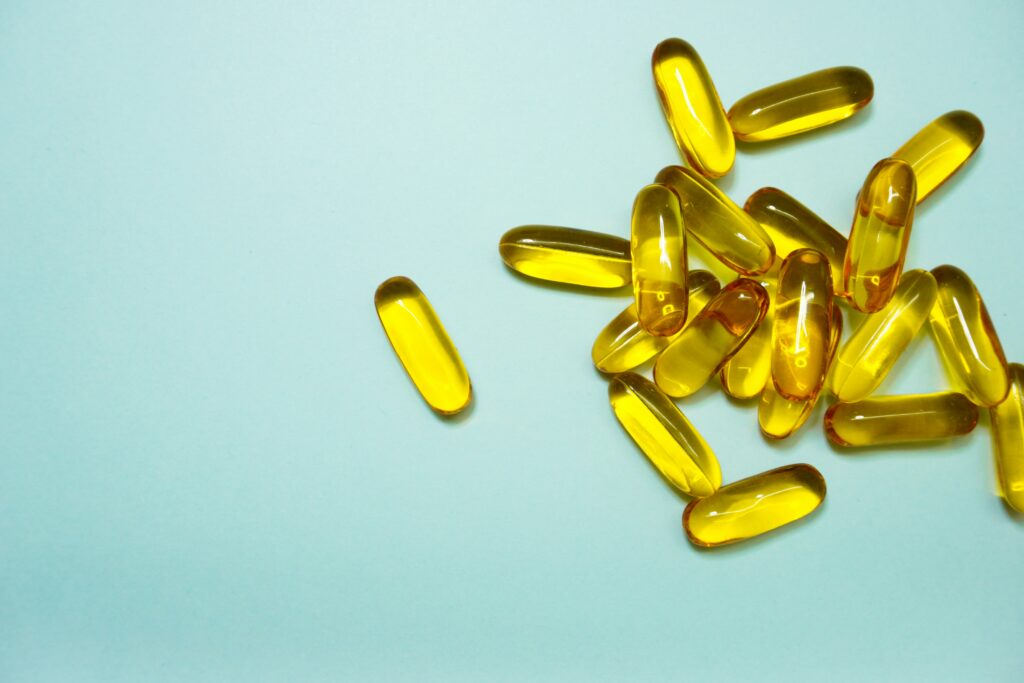
Image by Unsplash.com
The Oxidative Stress Problem
Oxidative stress connects most of the factors above. It deserves a closer look.
When reactive oxygen species overwhelm the body’s antioxidant defenses, the damage hits sperm at multiple levels. Membrane integrity breaks down, affecting motility. DNA fragmentation rises, affecting fertilization and embryo quality. The energy systems sperm depend on for movement take a hit too. Research published in 2024 in Reproductive Medicine and Biology identified oxidative stress as one of the primary mechanisms underlying idiopathic male infertility.
The nutrients that address oxidative stress in sperm are measurable and targetable. That shifts the conversation from “there’s nothing we can do” to something more useful.
L-Carnitine and Sperm Motility
L-carnitine is the nutrient most directly linked to sperm motility. Sperm depend on fatty acid oxidation for energy, and L-carnitine is what drives that process. Without adequate L-carnitine, sperm simply can’t generate the fuel they need to swim effectively.
The epididymis, where sperm mature and gain motility, contains some of the highest concentrations of L-carnitine in the body. Low levels in seminal plasma correlate consistently with reduced progressive motility.
The clinical evidence is meaningful. A 2023 review in PMC found that L-carnitine and L-acetyl-carnitine significantly increased forward motility, total motility, and pregnancy rates compared to placebo. A double-blind, placebo-controlled trial with 175 men found carnitine derivatives combined with micronutrients significantly improved progressive motility and vitality after six months. Sperm DNA fragmentation also decreased. Additionally, a 2024 meta-analysis examining 14 randomized controlled trials found L-carnitine supplementation significantly increased sperm concentration, total motility, and normal morphology.
The consistent thread across the research: motility improvements become more pronounced with longer treatment windows of three to six months. That timeline matters, and we’ll come back to it.
Other Nutrients Worth Knowing
L-carnitine doesn’t work in isolation. Several other nutrients target the same oxidative stress pathways and tend to be depleted in men with poor sperm parameters.
CoQ10 is concentrated in the mitochondria of sperm, where it supports ATP production, the energy currency sperm use to move. CoQ10 concentrations in seminal plasma correlate directly with sperm count and motility. Multiple trials show supplementation improves motility in men with idiopathic infertility. A 2022 trial in Clinical and Experimental Reproductive Medicine found 300mg of CoQ10 daily for three months significantly improved sperm motility and antioxidant status.
Zinc plays a structural role in sperm tail formation and DNA packaging. It also functions as an antioxidant in seminal plasma. Research shows 30 to 60mg of zinc daily can increase sperm count, improve motility, and normalize testosterone. Zinc deficiency is common and often goes untested.
Folate supports sperm DNA integrity. Combined zinc and folate supplementation reduces DNA fragmentation. That matters for natural conception and for embryo quality in IVF or IUI cycles.
The challenge with self-supplementing is that you’re guessing. Functional medicine testing can identify which of these are actually depleted, so the protocol is specific rather than generic.
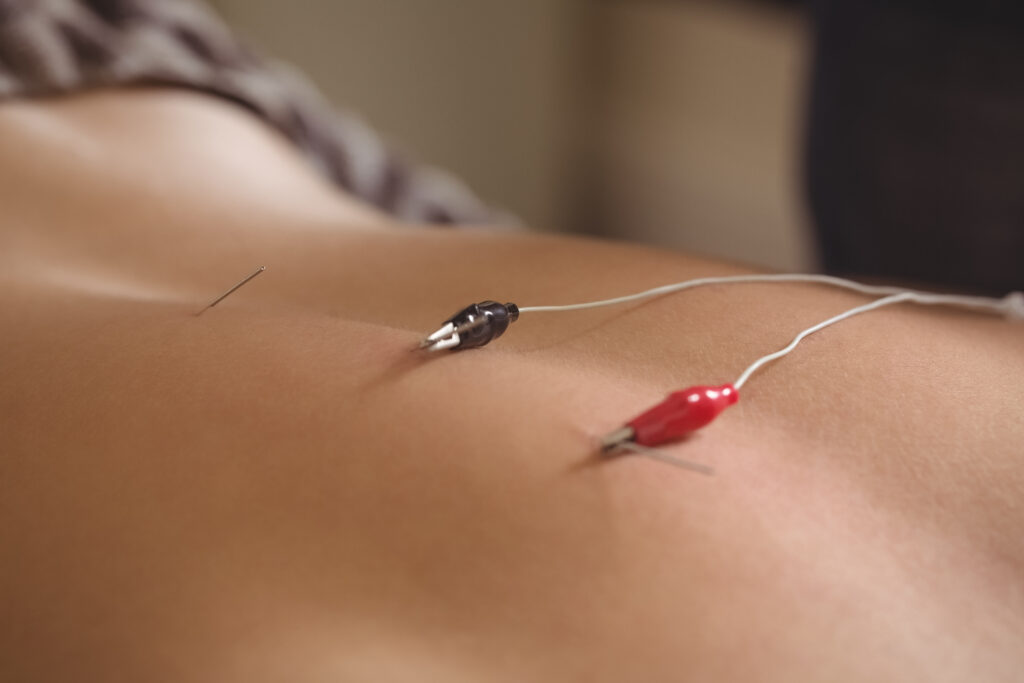
Image by Unsplash.com
What Acupuncture Does for Male Fertility
A growing body of research supports acupuncture for male fertility, and the mechanisms are well-documented.
A 2022 review in Frontiers in Endocrinology identified four mechanisms. Acupuncture improves testicular blood flow, modulates the HPG axis, reduces oxidative stress in seminal plasma, and downregulates the HPA (stress) axis. The same review confirmed the effects were not placebo-driven. Psychological measures showed no change; sperm parameters did.
A 2024 systematic review and meta-analysis of RCTs found acupuncture significantly improved sperm density, survival rate, and motility. A 2024 randomized clinical trial on electroacupuncture found improvements in total motile sperm count and progressive motility.
In TCM, male reproductive health is rooted in Kidney essence and Jing, the fundamental vitality governing reproductive capacity and hormonal output. Treatment is individualized based on pattern differentiation. Kidney Yang deficiency, Liver Qi stagnation, and damp-heat in the lower burner each present differently and call for different acupuncture and herbal approaches. This is not a one-size-fits-all protocol, which is exactly why pattern differentiation matters.

Image by Unsplash.com
The Case for an Integrative Approach Before IVF
Sperm take approximately 72 to 90 days to complete their development cycle. Most people don’t hear that in a fertility appointment. Whatever is affecting sperm quality today reflects what was happening in the body three months ago. Three months of targeted support can produce a meaningfully different semen analysis.
For couples who are not yet in an active IVF or IUI cycle, that window represents a real opportunity. Addressing oxidative stress, correcting nutrient deficiencies, supporting hormonal signaling, using acupuncture to improve testicular blood flow: each shifts the starting point. All before assisted reproductive technology enters the picture.
For couples already in an IVF or IUI cycle, the same interventions apply. Sperm quality affects fertilization rates and embryo quality. Integrative support during an active ART cycle is not in conflict with the medical protocol; it’s adjunct to it.
The functional medicine approach begins with actual data. A comprehensive Evexia Diagnostics workup covers testosterone, FSH, LH, prolactin, thyroid function, and key micronutrients: zinc, folate, vitamin D, and CoQ10. That data drives a targeted protocol rather than a generic supplement list.

