

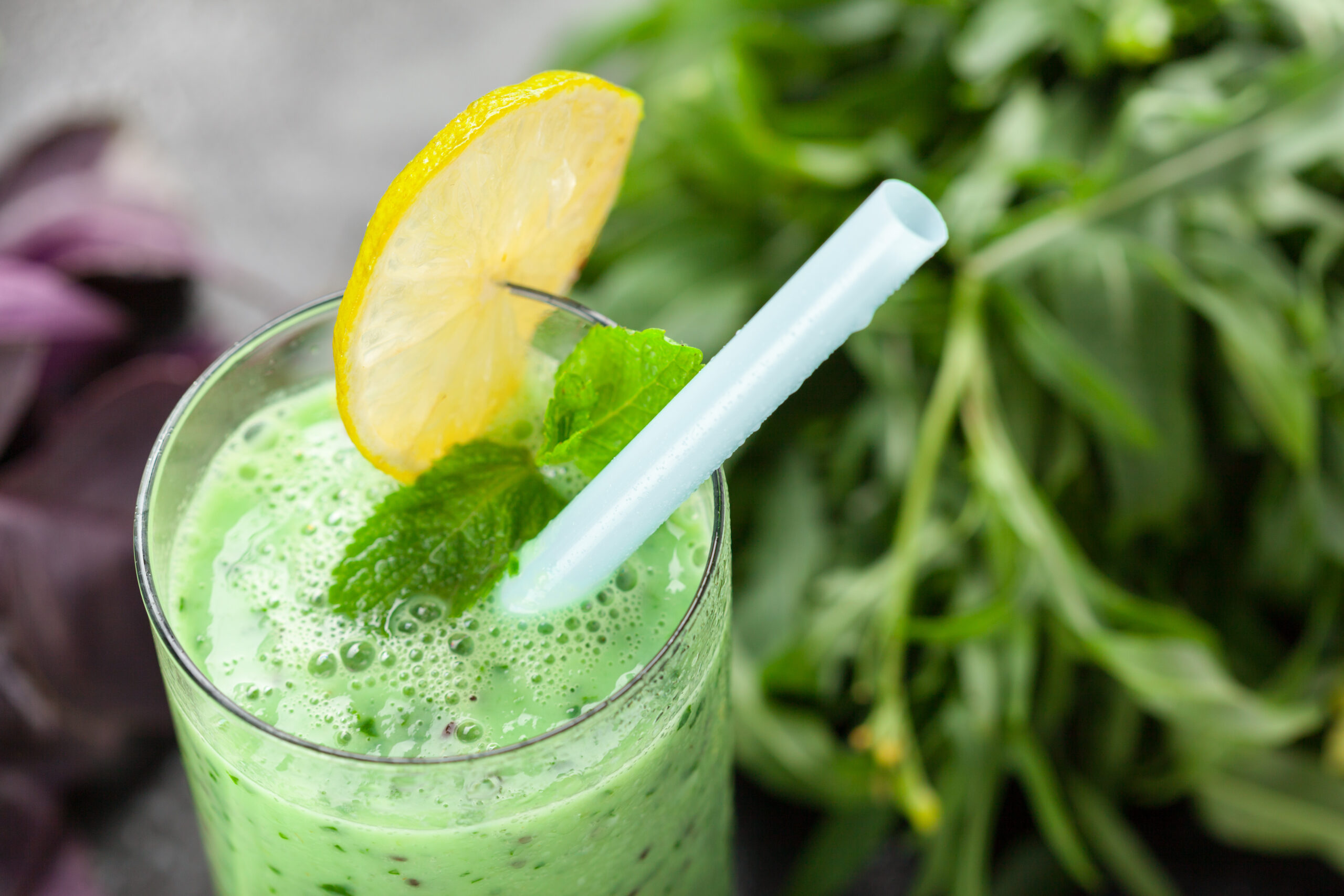
Cold fronts and dry indoor heat can leave your throat scratchy and your cough lingering for weeks. Do you reach for the same cough drops every winter? Instead, nourishing your body from the inside may help. Dr. Bryn Kanuck draws on Traditional Chinese Medicine (TCM) to support the lungs through the season. This post shares three recipes: her lung-support smoothie, a ginkgo congee, and a white fungus and pear soup.
How TCM Views the Lungs
In TCM, the lungs are delicate organs. They prefer moisture, so dryness and heat affect them quickly. When the air turns dry or illness lingers, the lungs can become dry or overheated. TCM calls this lung dryness or lung heat. For example, common signs include a dry, tickly cough, a sore throat, thirst, and thick yellow phlegm. Therefore, the foods in these recipes aim to moisten the lungs, clear heat, and resolve phlegm.
Who these recipes are for. They suit a “heat-type” cough: dry, tickly, or paired with yellow phlegm. A “cold-type” cough, however, brings chills, clear or white phlegm, and a preference for warmth. It calls for a different approach, and Dr. Bryn notes that the Asian pear suits heat-type coughs only. If you cannot tell which type you have, ask us at your next visit.
Dr. Bryn’s Lung-Support Smoothie
Because TCM assigns each food a role, each ingredient below includes its purpose as Dr. Bryn uses it.
- 1 cup almond milk: moistens the lung and eases wheezing
- ½ cup green tea: clears lung heat
- ½ tsp honey
- 1 Tbsp lemon juice
- 2 slices fresh ginger root
- ¼ inch fresh turmeric root
- 1 Tbsp apple cider vinegar: helps clear phlegm
- 2 celery stalks: clears lung heat
- ¼ cup cut cactus: clears lung heat and eases cough
- 1 handful spinach: clears heat
- 1 Asian pear: resolves phlegm and clears lung heat
Finally, blend all ingredients until smooth.
What the research says about a few ingredients. TCM tradition is the main reason these foods appear here. However, modern research supports some of them modestly.
- Honey: A Cochrane review of six trials found that honey probably relieves cough and improves sleep better than no treatment or placebo in children over 12 months. The evidence was low to moderate in certainty.
- Ginger: The National Center for Complementary and Integrative Health notes that researchers have used ginger safely in many studies. The best-studied uses are nausea and menstrual cramps. Research on cough and congestion is limited, so ginger appears here for its place in TCM.
- Turmeric: The same agency says we do not yet know enough to conclude that turmeric is beneficial for specific health purposes. It considers typical amounts likely safe. Also, a quarter inch of fresh root in a smoothie is a small, food-level amount.
Ginkgo and Dry Soy Bean Curd Congee (腐竹白果粥)
This warm rice porridge nourishes the lungs and the digestive system. In TCM, it tonifies the lung, strengthens the spleen, replenishes qi, and helps resolve phlegm and quiet wheezing. Practitioners also use it for heat-type coughs and wheezing.
Ingredients
- 50 g dry soy bean curd (fu zhu)
- 20 ginkgo seeds (bai guo)
- 200 g polished round-grained rice (da mi)
- 5 slices fresh ginger (sheng jiang)
- 30 g green onion (qing cong)
- A pinch of salt
Directions
- First, dry-fry the ginkgo seeds without oil until fragrant.
- Then rinse the rice.
- Next, soak the dry soy bean curd, then cut it into pieces.
- Rinse the ginger and cut it into pieces.
- Wash the green onion and cut it into small pieces.
- Put the soy bean curd, ginkgo seeds, rice, and ginger in a pot with 3 liters of water. Bring to a boil, then reduce to medium heat. Cook until the ingredients are tender, about 60 to 90 minutes.
- Finally, add the green onion and salt, then serve.
Ginkgo safety. Ginkgo seeds contain a natural toxin. A 2015 case report described seizures in a 2-year-old after eating the seeds. In addition, the authors noted that even low levels may cause harm. This recipe is for adults. For this reason, please check with Dr. Bryn or your provider before you make it.
White Fungus and Pear Soup (雪耳雪梨糖水)
This light, lightly sweet soup is a classic TCM remedy for dryness. In TCM, it nourishes lung and stomach yin, generates body fluids, and clears heat. Practitioners also use it for heat-type coughs, thirst, and dry throat.
Ingredients
- 30 g white fungus (xue er)
- 2 pears (xue li)
- 10 Chinese red dates (hong zao)
- 2 figs (wu hua guo)
- 10 g fresh ginger (sheng jiang)
- Crystal sugar (bing tang), to taste
Directions
- First, rinse the white fungus, trim it, and soak it in water for 30 minutes.
- Rinse the figs and cut each into two pieces.
- Rinse the pears and cut them into small pieces.
- Rinse the red dates.
- Put the white fungus, red dates, figs, and ginger in a pot with 2 liters of cold water. Bring to a boil, then reduce to medium heat. Cook until tender, about 30 minutes.
- Next, add the pears and boil for another 15 minutes.
- Finally, add the crystal sugar and stir until it dissolves.
Since the soup contains added sugar, keep that in mind if you watch your blood sugar.
Before You Try These Recipes
Food supports your body alongside medical care. Keep these points in mind.
- Honey is unsafe for infants under 12 months, because their immune systems may not protect against bacteria that honey can carry.
- If you take blood thinners or other medicine, check with your provider before you add ginger or turmeric regularly.
- Apple cider vinegar can also irritate acid reflux and tooth enamel.
- Finally, see a provider promptly for a fever, trouble breathing, chest pain, or a cough that lasts more than a few weeks.
Support Beyond the Kitchen
Overall, food is one layer of seasonal care. At Austin Transformational Health, Dr. Bryn and our practitioners combine acupuncture and herbal medicine to support the lungs and the immune system through winter. Our immune support page explains how we approach it. You can also read how acupuncture and herbs work together to support immunity. If you keep getting sick each winter, our post on why you keep getting sick looks at the deeper picture.
Ready to support your lungs and immune system this season? Schedule a visit with Austin Transformational Health to talk through acupuncture and herbal support.
Want to learn more about our services?
Questions? Contact us or check out our FAQ!
Enjoy our health articles? Add Austin Transformational Health as a Preferred Source on Google.

