

GLP-1, short for glucagon-like peptide-1, has become a central focus in conversations around weight loss, blood sugar regulation, and metabolic health. It is likely you have a friend who tried them or are considering trying them yourself to lose weight. Prescription medications that act on GLP-1 pathways have brought this hormone into the mainstream, often delivering rapid appetite suppression and short-term weight loss.
At the same time, many people are now asking a more fundamental question:
Is there a way to support GLP-1 naturally, without forcing the body or living with unwanted side effects?
From a functional medicine perspective, the answer is yes. And it starts by understanding what GLP-1 is designed to do.
What GLP-1 Does in the Body
GLP-1 is a hormone produced in the gut in response to eating. Its role is multifaceted. It helps signal fullness to the brain, slows gastric emptying so food is digested more gradually, supports insulin sensitivity, and contributes to balanced blood sugar levels.
In a healthy system, GLP-1 rises and falls in response to real food, stable digestion, and proper gut-brain communication. When that system is disrupted by chronic stress, inflammation, gut imbalance, or blood sugar swings, GLP-1 signaling can become less effective.
The goal of natural GLP-1 support is not to replace this hormone, but to restore the conditions that allow it to function as intended.

Nutrition Strategies That Support GLP-1 Naturally
Protein and Fiber Matter Together
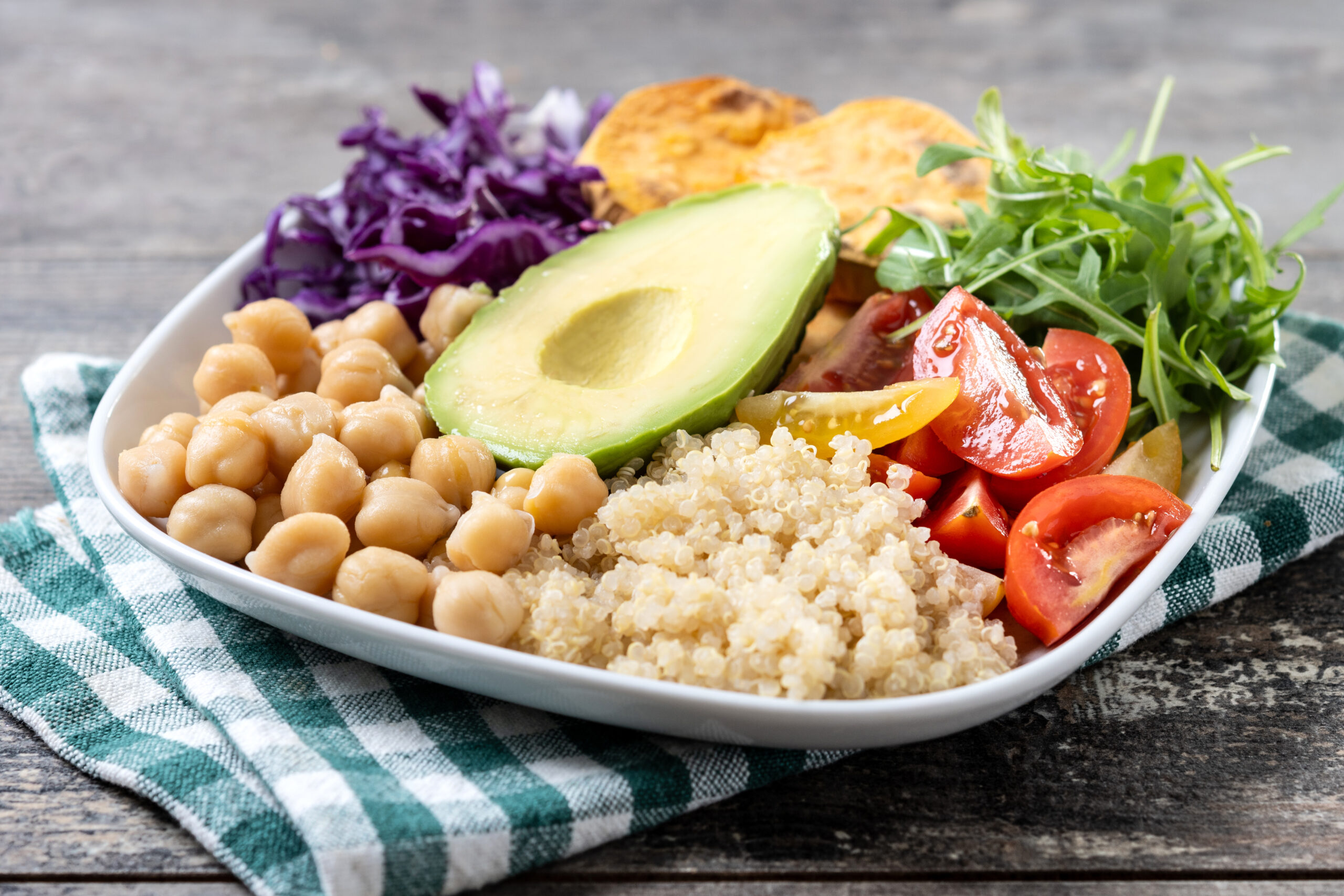
Meals that combine adequate protein with soluble fiber are one of the most reliable ways to stimulate GLP-1 release. This pairing slows digestion, reduces glucose spikes, and enhances satiety signaling. Examples include eggs with vegetables, fish with lentils, or tofu with leafy greens.
Blood Sugar Stability Is Foundational
Repeated blood sugar spikes followed by crashes interfere with normal appetite hormones. Eating balanced meals, avoiding ultra-processed foods, and maintaining consistent meal timing all support healthier GLP-1 rhythms.
Gut Health and GLP-1 Are Closely Linked
GLP-1 is secreted by specialized cells in the intestinal lining. When the gut is inflamed, irritated, or imbalanced, those cells do not respond as effectively. Supporting gut health through anti-inflammatory foods, fermented foods, and targeted nutrients helps restore hormone signaling at its source.
This is one reason appetite issues often persist despite calorie restriction or willpower. The signal itself is disrupted.

The Role of the Gut-Brain Axis
GLP-1 release is influenced not only by food, but by nervous system signaling. Chronic stress, poor sleep, and eating in a rushed or distracted state all interfere with vagal tone and gut-brain communication.
Practices like mindful eating, deep breathing, adequate sleep, and stress regulation are not “soft” lifestyle suggestions. They are physiological inputs that directly affect appetite hormones.
A Natural GLP-1 Support Option
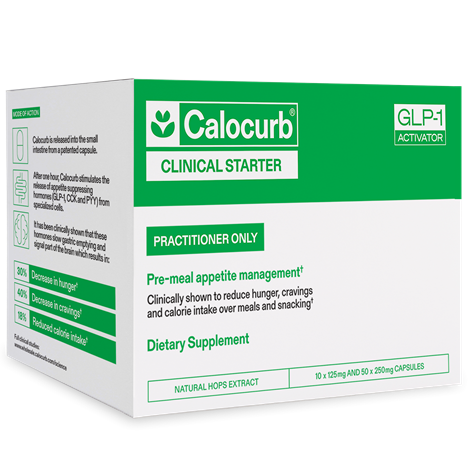
For individuals looking to further support appetite regulation naturally, targeted nutraceuticals can play a role. Calocurb® is a plant-based GLP-1 activator designed to stimulate the body’s own GLP-1 release rather than mimicking the hormone itself.
By supporting intestinal signaling pathways involved in fullness and metabolic balance, Calocurb® works with the body’s feedback systems instead of overriding them. This makes it a complementary option for those seeking a more natural approach to appetite support.
Read more about Calocurb® on OrthoMolecular’s site here.
A More Sustainable Perspective
GLP-1 medications can be appropriate in certain situations and under medical supervision. At the same time, not everyone tolerates them well, and some individuals choose to explore alternatives that emphasize long-term metabolic health rather than short-term appetite suppression.
Natural GLP-1 support focuses on restoring gut health, stabilizing blood sugar, and improving gut-brain communication. When these systems are supported, appetite regulation often becomes calmer, more consistent, and more sustainable.
Functional medicine is not about forcing outcomes. It is about restoring balance so the body can do what it is designed to do.
At Austin Transformational Health, we work with individuals throughout the Austin area who are looking for natural, functional medicine–based approaches to appetite regulation, metabolic health, and gut healing. Many of our patients come to us seeking alternatives or complementary strategies that support long-term health rather than quick fixes. Care that is personalized, thoughtful, and grounded in physiology often leads to more sustainable outcomes.
Schedule an appointment to start supporting your health, and learn more about our GLP-1 support product, Calocurb®.
Want to read more about gut health and our functional medicine services? Explore the educational pages on our site.
Questions? Contact us or check out or FAQ!
Important Note
This information is for educational purposes only and is not intended to diagnose, treat, or replace individualized medical care. Always consult with a qualified healthcare provider before starting or stopping any medication or supplement, especially if you have underlying health conditions or are currently using prescription therapies.

