

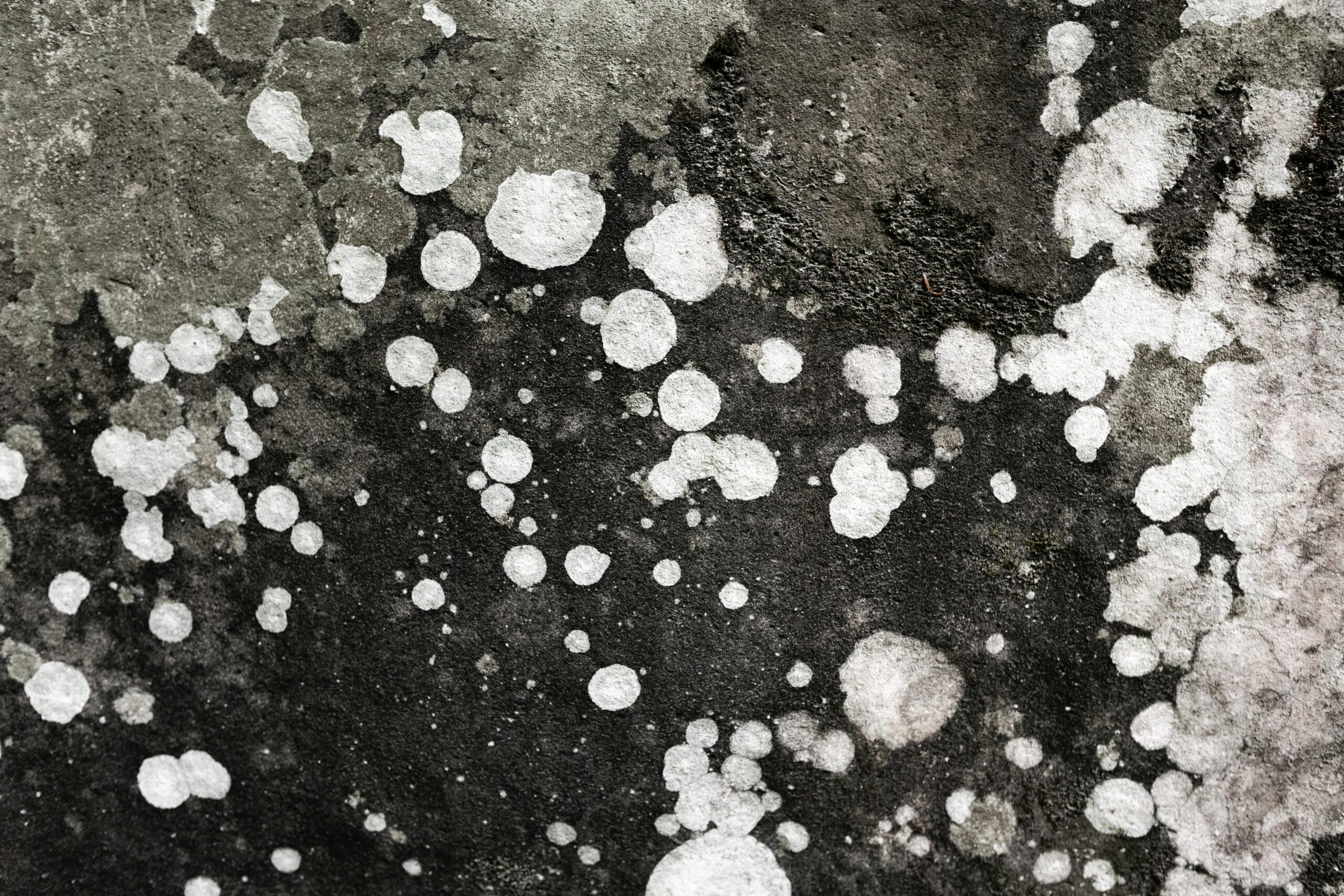
Mold exposure is one of the most misunderstood contributors to chronic health issues. For many people, symptoms appear gradually and often do not look obviously connected to mold at all. Fatigue, brain fog, digestive issues, skin reactions, hormone imbalance, and persistent inflammation are common complaints. What ties these symptoms together is often the gut.
Recent national coverage for Austin Transformational Health, including a personal recovery story published by Woman’s World, has helped bring broader awareness to mold exposure and its impact on the body. What is less discussed is how frequently mold-related illness shows up first as gut dysfunction, and why a functional medicine approach is often necessary for meaningful recovery.
How Mold Exposure Impacts Gut Health
Mold releases mycotoxins that place stress on the immune system and detoxification pathways. One of the first systems affected is the gastrointestinal tract. Mold exposure can contribute to:
- Increased intestinal permeability
- Disruption of the gut microbiome
- Chronic inflammation
- Poor nutrient absorption
- Immune dysregulation
When the gut barrier is compromised, symptoms can cascade throughout the body. This is why many people experiencing mold exposure also report bloating, food sensitivities, constipation, diarrhea, or unexplained digestive discomfort alongside neurological or systemic symptoms.
Treating symptoms in isolation often leads to frustration. Addressing the gut as a central player changes the trajectory.
Why Functional Medicine Is Essential for Mold Recovery
Functional medicine looks at how systems interact rather than treating symptoms as unrelated events. In the context of mold exposure, this approach focuses on identifying root causes and supporting the body’s ability to heal.
A functional medicine framework often includes:
- Evaluating gut health and microbial balance
- Supporting detoxification pathways
- Reducing inflammatory burden
- Restoring nutrient status
- Calming an overactivated stress response
This is not about quick fixes. It is about understanding why the body is stuck and removing obstacles to healing.

Integrative Care for Mold-Related Illness
Acupuncture and integrative therapies can play a supportive role by regulating the nervous system, improving circulation, and reducing inflammation. When combined with functional medicine principles, this creates a comprehensive approach that supports both physical recovery and resilience.
Patients dealing with mold-related illness often benefit from care that feels personalized and responsive, rather than protocol-driven. Listening closely to symptoms and patterns matters.
Functional Medicine for Mold Exposure in Austin, Texas
For individuals in Austin seeking care for complex, chronic issues related to mold exposure, gut health is often a critical starting point. Addressing environmental factors alongside internal imbalances provides a more complete picture of health.
This kind of care is not about chasing a diagnosis. It is about restoring balance, supporting the gut, and helping the body regain its ability to adapt and heal.
If you are dealing with unresolved symptoms and suspect environmental factors may be contributing, a functional, root-cause approach can offer clarity and a path forward.

