

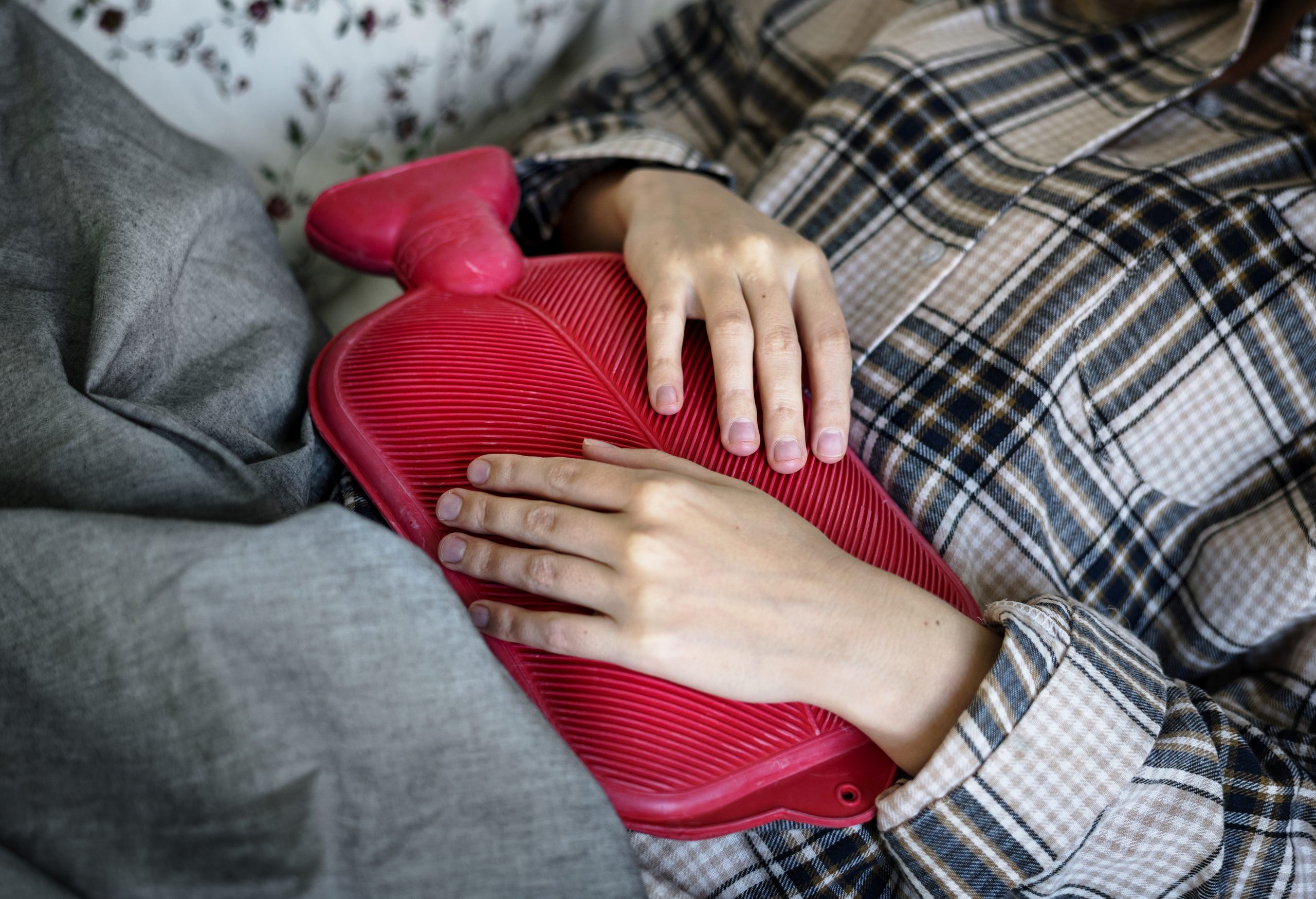
You told your doctor about the cramps, the mood swings, or the bloating.
You heard “that’s normal” or “that’s just PMS.”
Maybe you left with a prescription for birth control and no explanation.
If that sounds familiar, your frustration is valid. Many women experience PMS. Symptoms that disrupt your work, sleep, or relationships still deserve attention.
Why Women Get Told Their Symptoms Are Normal
Many women hear that painful periods are just part of life. That message can delay answers for years. Endometriosis is a well-documented example. In this condition, tissue similar to the uterine lining grows outside the uterus, and it often causes severe period pain. In one interview study of women at a pelvic pain clinic, diagnosis took about 8.5 years on average. Women reported that doctors called their symptoms normal, suggested pain relievers, or prescribed the pill. Hormonal medication sometimes eased symptoms enough to delay a diagnosis. Some women began to doubt their own pain.
Severe pain deserves a proper workup. Conditions like endometriosis and fibroids can cause it. If your pain interrupts daily life, ask your provider about imaging and further evaluation.
What PMS Symptoms Can Signal
Cramps, mood swings, bloating, breast tenderness, headaches, and poor sleep tend to cluster before a period. Conventional medicine often describes PMS as heightened sensitivity to normal hormone shifts. Functional medicine asks why your body responds that way.
Dr. Bryn Kanuck looks at several possible contributors. These include estrogen and progesterone balance, stress load and cortisol, how your gut clears used estrogen, and nutrient gaps. These factors often interact. PMS frequently reflects an underlying imbalance that testing can help identify.
What Hormonal Birth Control Does
The pill helps many women, and it can reduce menstrual pain. StatPearls explains how it works. Progestogen acts on the hypothalamus and slows the signals that tell your pituitary to release FSH and LH. Without those signals, ovulation stops.
That means your body’s own hormone feedback system quiets down while you take the pill. The pill manages symptoms by overriding your natural cycle. It does not look for the reason those symptoms appeared. Symptoms can return when someone stops taking it, because nobody addressed the original cause.
How Functional Testing Looks Deeper
Routine labs rarely answer why your cycle feels so hard. Our functional testing looks at hormone levels, gut health, and metabolism. We use hormone panels, the GI-MAP stool test, and blood biomarkers. Dr. Bryn then builds a plan around your results.
Your gut matters here because it helps process and clear hormones. If you also deal with constipation or bloating, our post on causes of constipation covers that connection.
Natural Support for Cycle Health
Dr. Bryn combines several modalities to support your cycle, and each one targets a different angle. Nutrition and stress support address the foundations. Custom herbs and acupuncture draw on Traditional Chinese Medicine. TCM views painful and irregular periods as signs of stagnant energy and blood flow. Both aim to restore balance and movement. Our women’s health care page describes this approach.
Research on supplements for PMS is still developing. A systematic review of complementary therapies found small, mixed trials for calcium, magnesium, and chasteberry. Because every woman’s pattern differs, Dr. Bryn tailors her plan to your test results and symptoms rather than guessing. Magnesium is one example, and our magnesium guide explains the different forms.
Why Balance Matters Before Menopause
Menopause is a big hormonal shift. Entering it already out of balance can make symptoms harder. A Nurses’ Health Study analysis followed 3,635 women with premenstrual disorders that reported moderate or severe hot flashes and night sweats more often: 68% compared with 55%. The study was observational, so it shows an association and does not prove cause. The authors suggest premenstrual disorders may reflect underlying physiology that also shapes the menopause transition.
Addressing imbalances in your 20s, 30s, and 40s gives your body a steadier start. Our guide to estrogen patches and HRT support covers the next stage.
Please Do Not Stop Your Medication on Your Own
If you take hormonal birth control or HRT, keep taking it until you talk with your provider. Stopping suddenly can bring back symptoms or change your bleeding pattern. Birth control may also be doing its job as contraception. Dr. Bryn works alongside your current care team, and any change should happen with guidance.
You Deserve More Than “That’s Normal”
Your symptoms are real, and they have causes that testing can explore. A closer look at your hormones, gut, and stress load can give you answers and a plan.

