

You catch every cold that goes around.
Your bloodwork looks normal.
Your doctor has no explanation.
That combination is frustrating, and your frustration makes sense. Immune health depends on more than a standard blood panel measures. A large part of it happens in your gut.
Your Gut Is a Major Immune Organ
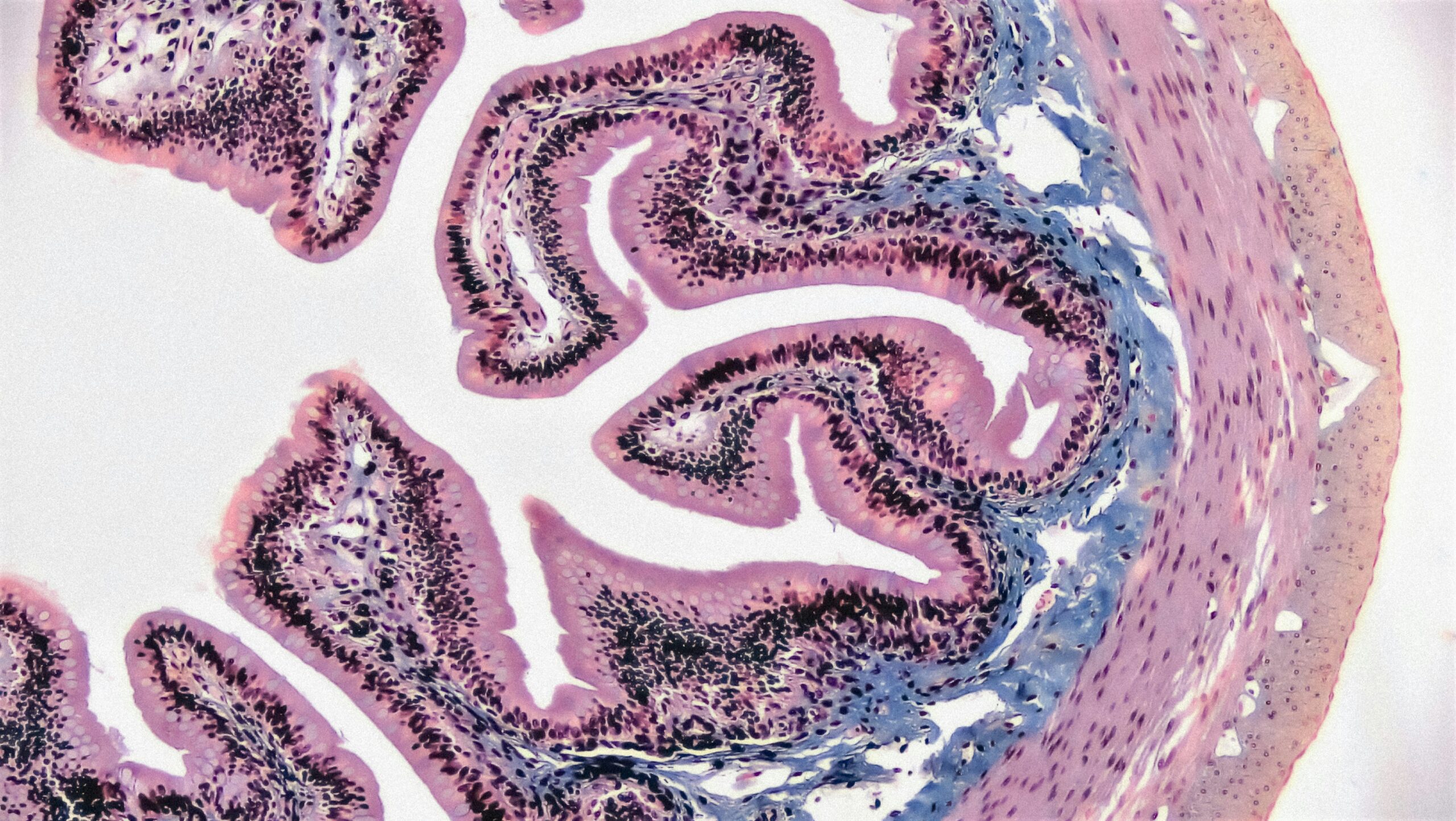
Your gut lining meets food, microbes, and toxins every day. Immune tissue sits right behind it to monitor what passes through. One widely cited estimate places about 70% of the body’s antibody-producing cells in the gut lining. Researchers still debate the exact share for the immune system as a whole. Mucosal immunologists widely consider the gut the body’s largest immune organ.
What Is Secretory IgA?
Secretory IgA, or sIgA, is the main antibody on mucosal surfaces, including your gut and airways. Immune cells in the gut lining make it. Cells in the lining then carry it into the gut, where it binds microbes, viruses, and toxins. That binding limits their ability to attach to your gut lining and enter your body. Secretory IgA also coats your beneficial bacteria, which helps keep them where they belong.
What Low or High sIgA Can Mean
The GI-MAP stool test measures sIgA. Diagnostic Solutions, the lab behind the GI-MAP, notes that a suppressed sIgA often signals a compromised mucosal immune system. Low levels may also relate to greater gut permeability and a higher risk of further gut infections.
High sIgA tells a different story. The same source notes that prolonged elevation can point to an ongoing immune response, such as a gut infection or chronic inflammation.
IgA and gut bacteria also influence each other. In a 2023 study of patients with an immune disorder, low fecal IgA tracked with lower microbial diversity and more dysbiosis. That study looked at a specific patient group. It shows how closely IgA and gut bacteria interact.
Neither a high nor a low result is a diagnosis on its own. Your full gut picture gives each number its meaning.
What Can Lower sIgA
Chronic stress is one factor. A large study of middle-aged and older adults found that more stressful life events tracked with lower salivary sIgA. The effect was modest. The authors suggested that lower sIgA may be one way chronic stress raises the risk of respiratory infections. That idea remains a hypothesis.
Persistent gut infections can also suppress sIgA. According to Diagnostic Solutions, the immune system may become overburdened while it fights a persistent infection. Long-standing inflammatory conditions, such as celiac disease and IBD, can lower it too.
Why Standard Labs Miss It
Routine blood tests measure what circulates in your blood. They do not measure the antibody working inside your gut. You can have normal bloodwork and still have a gut immune imbalance. That gap helps explain why many people with frequent illness leave appointments without answers. Our post on why you keep getting sick covers more of what standard screening leaves out.
How the GI-MAP Puts sIgA in Context
The GI-MAP reports sIgA alongside markers that help explain it. Those include pathogens, bacterial balance, and inflammation. Diagnostic Solutions describes looking for the underlying cause first when sIgA runs high or low, then treating what the test finds. Dr. Bryn Kanuck takes the same approach. A single number gives you a clue. The surrounding markers show you what to do about it.
If a stomach bug started your symptoms, our post on gut health after a stomach bug covers that path.
What Dr. Bryn Does With Your Results
Dr. Bryn builds a protocol around your results. She may treat infections or imbalances the test finds, support your gut lining, and address stress and other drivers. She individualizes every recommendation, so please avoid starting supplements on your own based on a lab value. Rebuilding gut immunity also takes time. Our guide to how long it takes to heal your gut walks through realistic timelines.
If you have a high fever, blood in your stool, or unexplained weight loss, see a provider promptly.
Your Gut May Hold the Missing Piece
Frequent illness has many possible causes. Your gut belongs on that list, and a stool test can check it. If you have heard that everything looks normal, a closer look at your gut immune function can give you a clearer picture.

