

Microplastics have been showing up everywhere lately. Headlines, documentaries, and dinner table conversations are full of them. Research keeps confirming what used to sound alarmist. These particles live in our blood and our organs. Recent studies have even found them in placental tissue and breast milk. Netflix’s documentary The Plastic Detox is one of the most visible entries in this conversation. It follows six couples working through unexplained infertility as they strip plastics out of their daily routines. The film has put a spotlight on a question we hear more and more in clinic: what can I actually do about this?
It is a fair question. Most of the conversation around microplastics focuses on avoidance. That matters, but avoidance alone will not undo a lifetime of exposure. The particles are already in most of us. The more useful question is how to support your body in clearing what is already there. That question has a real, evidence-backed answer, and it starts in your gut.
What Microplastics Are Actually Doing in the Body
Microplastics are plastic fragments smaller than 5 millimeters. We take them in primarily through food, water, and air. Research shows that most ingested microplastics larger than 150 micrometers pass through the gut. They do not cross the intestinal lining. Smaller particles are a different story. Those can cross into the lymphatic and blood circulation and distribute to other tissues.
The particles themselves are only part of the concern. Microplastics often carry chemical passengers on their surface, things like plasticizers, flame retardants, and heavy metals. Once in the body, these co-pollutants can add to oxidative stress. They also place extra demand on the liver’s detox pathways.
Environmental epidemiologist Dr. Shanna Swan appears in the documentary. She has spent years researching how these chemicals intersect with hormone health and fertility. Scientists and industry groups have reacted to the film in mixed ways. This is still an evolving area of research, and we want to say that plainly. Some of the film’s claims move faster than the data. This is especially true when it comes to plastics versus other chemical exposures we all face. We do know that microplastics are widespread in the human body. Reducing your exposure and supporting your body’s own clearance systems are both reasonable steps to take in the meantime.
What to Avoid (The Short Version)
Other sources cover this well, so we will keep it brief:
- Skip plastic food storage, especially anything heated in the microwave
- Choose glass or stainless steel for water bottles and food containers
- Filter your drinking water where possible
- Reduce processed and packaged foods, which pick up more plastic exposure through manufacturing and packaging
- Check personal care products for synthetic fragrance and microbeads, both common sources
- Air out new synthetic textiles and carpets before extended use, since they shed fibers
These swaps reduce new exposure. They do not address what is already circulating in your system, which is where the next section matters more.
Why Fiber Is the Detox Conversation Nobody Is Having
Here is the piece that gets far less attention than it should. A growing body of research points to dietary fiber as a meaningful tool. It may help the body clear microplastics and their attached chemical passengers. Fiber, particularly insoluble fiber, works by binding particles and toxins in the gut, increasing fecal bulk, and speeding intestinal transit. Together, these mechanisms shorten the time microplastics have to get absorbed. They also give the particles a more direct route out of the body.
A 2025 study out of Tokai University in Japan tested chitosan, a non-digestible fiber, in rats. It significantly increased fecal excretion of microplastics and reduced how much stayed in the intestine. It is worth being honest about where the science currently stands. This research is still largely in animal models. Researchers have not yet run human trials confirming the same effect. That said, the proposed mechanism makes sense. Fiber binds particles and shortens gut transit time, and researchers have established this same effect for other toxins. It is biologically plausible for microplastics too. We see this as promising and mechanistically sound, and worth acting on now. We also want to be clear that no large human clinical trial has proven it yet.
One more detail is worth knowing. A 2024 study testing commercial fiber supplements actually found microplastic contamination in several of the products themselves. This is not a reason to avoid fiber. It is a reason to be selective about where your fiber comes from. Prioritize whole foods and third-party tested supplements over whatever is cheapest on the shelf.
The Fiber Gap Most People Don’t Realize They Have
Here is what makes this especially relevant. Most people are not getting nearly enough fiber to begin with, microplastics aside. The USDA recommends roughly 14 grams of fiber per 1,000 calories. That works out to 25 to 38 grams a day for most adults. The overwhelming majority of the population falls well short of that target, often getting less than half.
That gap matters for gut health, blood sugar regulation, and cardiovascular health on its own. Add microplastic exposure to the list of reasons to close that gap. Fiber becomes one of the simplest, most accessible tools available, whether it comes from your plate or from a well-formulated supplement.
Good everyday sources include:
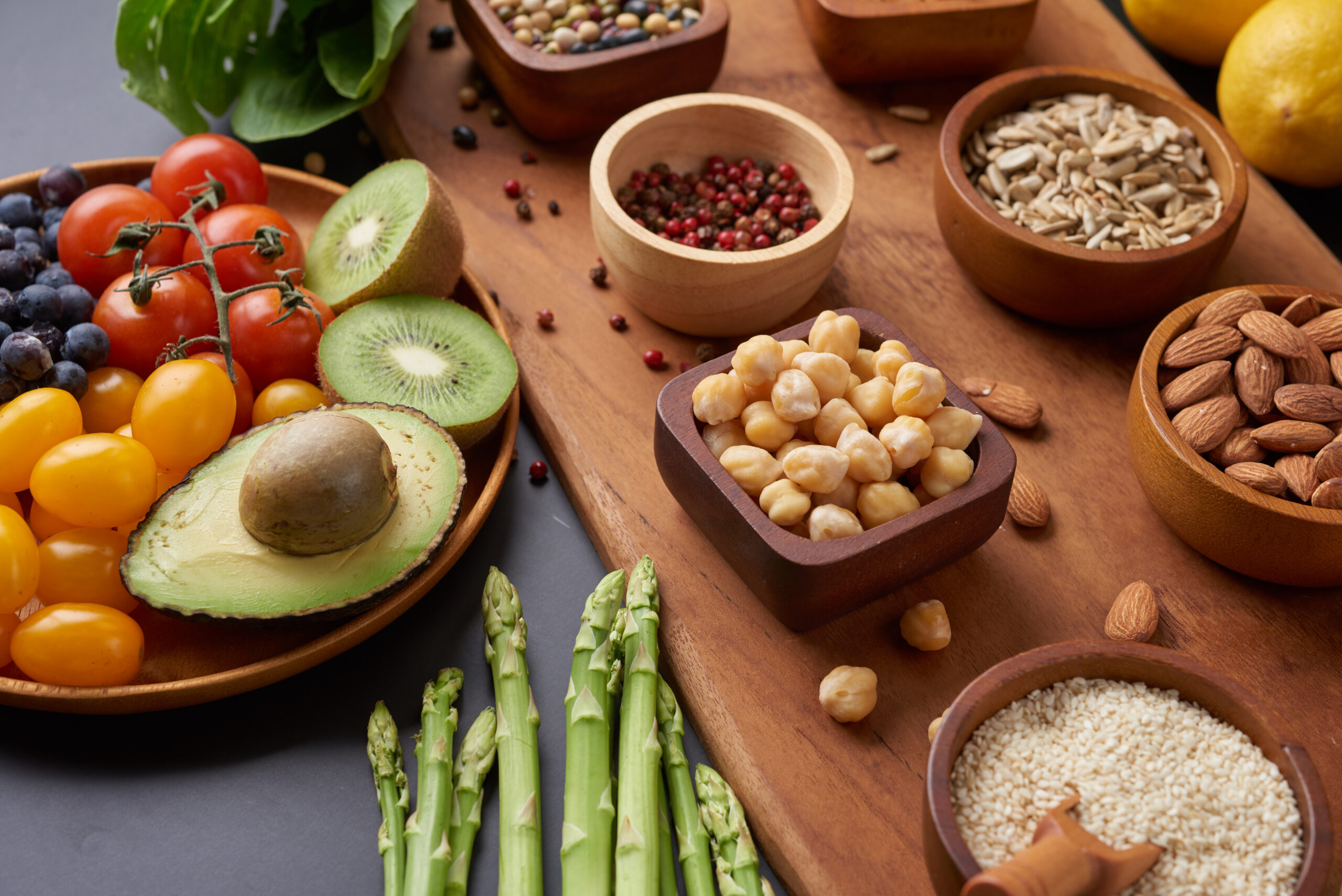
- Vegetables, especially cruciferous vegetables and leafy greens
- Legumes like lentils, chickpeas, and black beans
- Whole grains such as oats, quinoa, and barley
- Fruits with the skin on, like apples and pears
- Nuts and seeds, particularly chia and flax
Supporting the Rest of the Detox Pathway
Fiber addresses what is in your gut. But your liver handles microplastics that have already crossed into circulation differently. It relies on phase I and phase II detoxification processes and your body’s antioxidant defenses. This is where a more complete protocol comes in.
Fiber MGP (Ortho Molecular) blends soluble and insoluble fibers. It includes resistant potato starch, glucomannan, and prebiotic ingredients from golden kiwi and baobab. It delivers 11 to 12 grams of fiber per serving. That goes a long way toward closing the gap we mentioned above. It also supports the gut-binding mechanism this whole conversation centers on.
Trizomal Glutathione (Apex Energetics) supports the other half of the equation. Glutathione is the body’s primary antioxidant. It plays a central role in phase II liver detoxification, and it helps neutralize oxidative stress and clear chemical compounds once they enter circulation. This liposomal formula combines S-acetyl L-glutathione, reduced glutathione, and NAC for intracellular, biosynthetic, and systemic support.
Together, these two products tackle the problem from both directions. Fiber limits what gets absorbed in the first place. Glutathione supports the liver’s work on what already made it through.
Every body carries a different toxic burden and a different starting point. That is exactly why we do not believe in one-size-fits-all detox protocols. If you are curious what additional support might help, from targeted botanicals to drainage support to liver-specific formulas, bring it up at your appointment. We build these protocols individually, based on your history, your labs, and what your body actually needs.

